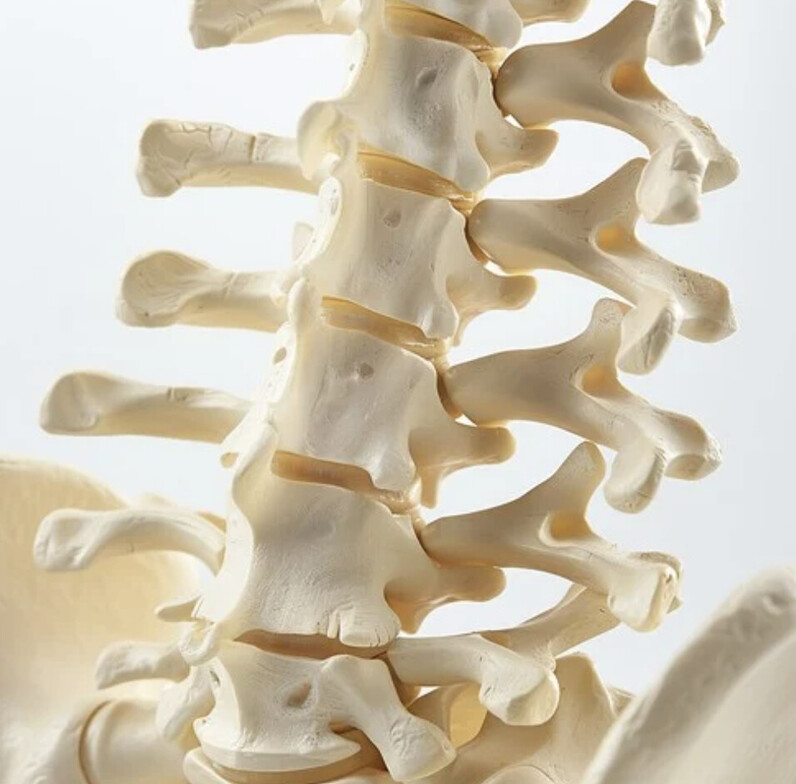
One of the most common questions people ask is, "What exactly does an adjustment do?" While many people associate chiropractic care with relieving back or neck pain, an adjustment is about much more than simply making something "crack."
At its core, a chiropractic adjustment is designed to restore proper movement to joints that are not moving as well as they should. When a joint becomes restricted, the surrounding muscles, ligaments, and nerves can become stressed, leading to discomfort, stiffness, and altered movement patterns.
Restoring Motion
Your body is designed to move. Whether you're walking, exercising, gardening, working at a desk, or simply going about your day, your joints need proper mobility to function efficiently.
When joints lose motion, the body often compensates. Other muscles and joints begin working harder, which can lead to tightness, fatigue, and discomfort over time.
A chiropractic adjustment helps restore movement to these restricted areas, allowing the body to move more naturally and efficiently.
Supporting the Nervous System
Your spine helps protect the nervous system, which is responsible for communication between the brain and the rest of the body. Every movement, sensation, and function relies on this communication network.
When joints are moving properly, the body often functions more efficiently. While chiropractic care is not a cure-all, many patients report improvements in mobility, comfort, posture, and overall well-being when their spine and joints are functioning optimally.
This is one reason why chiropractic care focuses on function, not just symptoms.
Why Adjustments Are Only Part of the Picture
At Domier Chiropractic, we often explain that adjustments are one important piece of the wellness puzzle.
While adjustments help restore movement, muscles and soft tissues also play a significant role in how your body feels and functions. That's why we may incorporate therapies such as massage, Graston Technique, cupping, acupuncture, therapeutic ultrasound, and personalized stretching or strengthening recommendations.
When these therapies are combined appropriately, they can help your body maintain the benefits of an adjustment and support long-term healing.
Why Some People Need More Than One Visit
Many conditions develop gradually over weeks, months, or even years. Poor posture, repetitive movements, stress, injuries, and daily habits can all contribute to dysfunction over time.
While some people experience significant relief after a single adjustment, others require a series of visits as their body relearns healthier movement patterns. Think of it like going to the gym—one workout can help, but lasting change usually comes from consistency.
What Patients Often Notice
After an adjustment, patients commonly report:
- Improved mobility
- Reduced stiffness
- Less muscle tension
- Better posture awareness
- Increased ease of movement
- Improved overall comfort
Some patients even describe feeling lighter, looser, or more balanced.
So, what do adjustments really do?
They help restore motion, improve function, reduce stress on the body, and support healthy movement patterns. While the adjustment itself may only take a few moments, its goal is to help your body move and function the way it was designed to.
At Domier Chiropractic, our goal isn't simply to help you feel better temporarily—it's to help you move better, function better, and support your long-term health. Whether you're dealing with discomfort, recovering from an injury, or simply trying to stay active, chiropractic care can be a valuable part of your overall wellness journey.

Brittany Domier
Contact Me