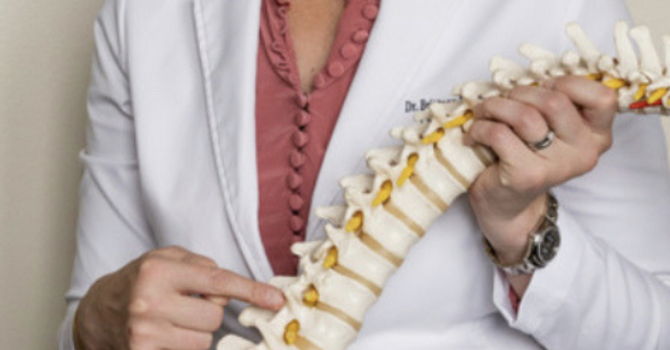
One of the most common questions patients ask after an adjustment is, "Why am I sore?" or "Why do I feel worse before I feel better?"
The good news is that mild soreness after an adjustment is often a normal part of the healing process. Just like starting a new exercise routine can leave muscles feeling sore, chiropractic care introduces movement into areas that may not have been moving properly for weeks, months, or even years.
When a joint begins moving more normally, the surrounding muscles, ligaments, and soft tissues must adapt to that change. Sometimes those tissues can become temporarily irritated or fatigued as your body adjusts to its new movement patterns.
What Does Post-Adjustment Soreness Feel Like?
Most patients describe it as:
- Mild muscle soreness
- A bruised or achy feeling
- Temporary stiffness
- Fatigue
- Increased awareness of an area that was previously tight
These symptoms are typically short-lived and often resolve within 24 to 48 hours.
Your Body Is Learning a New Normal
Many people don't realize that pain and dysfunction often develop gradually. When an area has been restricted for a long period of time, your body compensates by changing how it moves.
An adjustment helps restore motion, but your muscles and nervous system still need time to adapt. Think of it like straightening a bent tree branch—the correction happens quickly, but the tissues need time to adjust to the new position.
This is one reason consistency in care is often important. Each visit helps reinforce healthier movement patterns and allows your body to build upon previous improvements.
What Can Help?
At Domier Chiropractic, we often recommend simple strategies to help your body recover and adapt after care:
- Stay hydrated
- Take a short walk
- Use ice or heat when appropriate
- Follow any stretching or strengthening recommendations
- Avoid overdoing physical activities immediately after treatment
Many patients also benefit from complementary therapies such as massage, Graston, cupping, acupuncture, or therapeutic ultrasound. These services can help reduce muscle tension, improve circulation, and support the healing process between adjustments.
Looking at the Bigger Picture
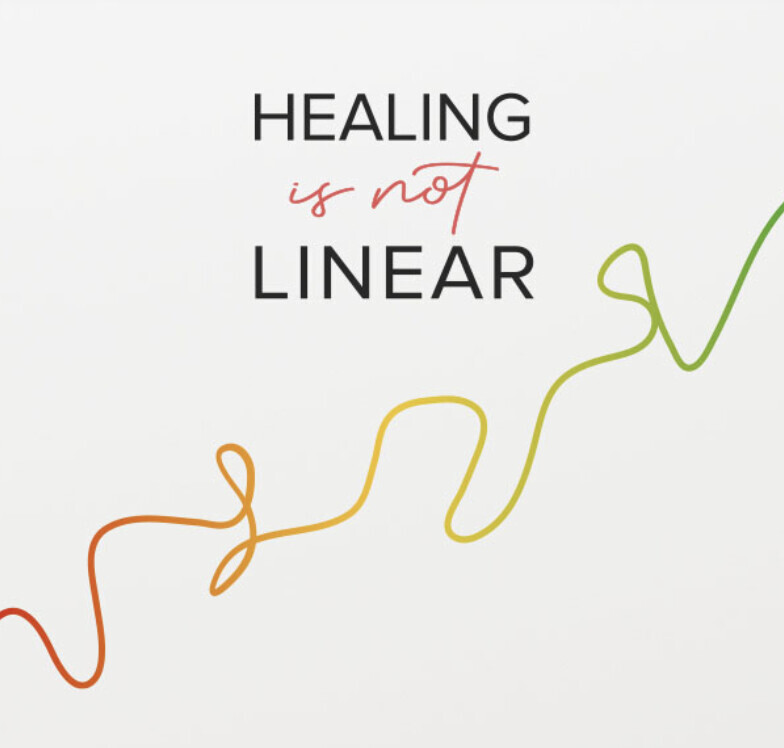
Healing isn't always a straight line. Sometimes the body needs to go through a period of adaptation before lasting improvements occur. While most patients experience relief after an adjustment, occasional soreness does not necessarily mean something is wrong. In many cases, it simply means your body is responding and adapting to change.
At Domier Chiropractic, our goal is not only to help you feel better today but to help your body function better long-term. We are always happy to answer questions, adjust your treatment plan, and provide recommendations to help you get the most out of your care.
If you've ever felt a little sore after an adjustment, you're not alone. Mild discomfort can be a normal part of the healing process as your body adapts to improved movement and function.
The key is to listen to your body, communicate with your provider, and remember that healing is often a process—not a single event. With the right care and support, those temporary aches can be part of the path toward feeling and functioning better.

Brittany Domier
Contact Me