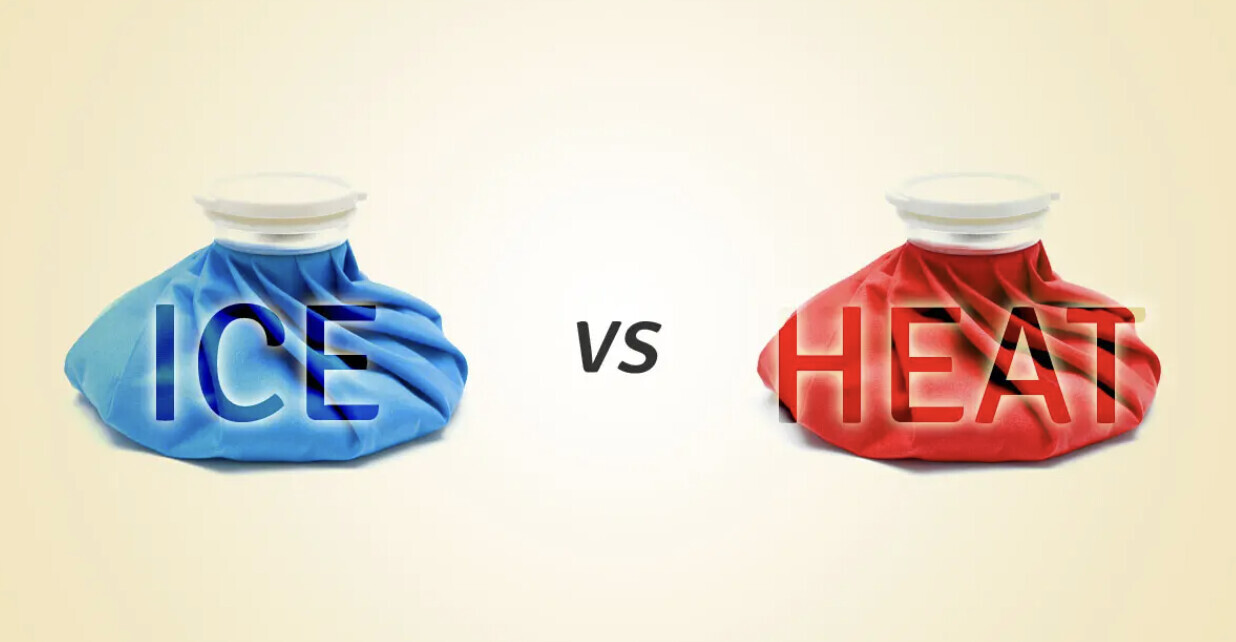
One of the most common questions we hear at Domier Chiropractic is, "Should I use ice or heat?" The answer depends on what your body is experiencing. While both can be effective tools for managing discomfort and supporting recovery, they serve very different purposes.
Knowing when to use ice and when to use heat can help complement your chiropractic care and support the healing process.
When Ice Is the Better Choice
Ice is typically recommended for newer injuries, recent flare-ups, or areas that feel inflamed. It helps reduce swelling, calm irritated tissues, and temporarily decrease pain.
Ice may be helpful for:
- Recent injuries
- Acute low back pain
- Sprains and strains
- Swelling and inflammation
- Flare-ups after overexertion
At Domier Chiropractic, we frequently recommend ice following an injury or when inflammation is present. Ice helps calm the body's inflammatory response and may reduce discomfort while tissues begin to heal.
A simple guideline is to apply ice for about 5-10 minutes at a time, several times throughout the day, allowing the skin to return to normal temperature between applications.
When Heat Is the Better Choice
Heat is often most helpful for chronic tightness, muscle tension, and stiffness. Heat increases circulation, relaxes muscles, and helps improve flexibility and movement.
Heat may be beneficial for:
- Tight neck and shoulder muscles
- Chronic low back stiffness
- Muscle tension from stress
- General aches and soreness
- Preparing for stretching or exercise
Many patients find that heat feels wonderful on a stiff back or tight shoulders after a long day at work. It can help loosen muscles and improve comfort before activity.
However, if an area is swollen, inflamed, or recently injured, heat may not be the best choice because it can increase circulation and potentially worsen inflammation.
Why the Wrong Choice Can Slow Recovery
While both ice and heat have benefits, using the wrong one at the wrong time may slow your progress.
For example, applying heat to an acutely inflamed injury may increase swelling. On the other hand, repeatedly icing a chronically tight muscle may reduce circulation and delay recovery.
Just as the right exercise can support healing and the wrong exercise can hinder it, the same principle applies to ice and heat.
How Ice and Heat Complement Chiropractic Care
At Domier Chiropractic, adjustments help restore proper movement and function to the joints and nervous system. However, what you do between visits often influences how well your body responds to care.
Using the appropriate ice or heat strategy can help reduce irritation, improve mobility, and support the benefits of your adjustment. In some cases, we may also recommend complementary therapies such as massage therapy, Graston Technique, cupping, acupuncture, or therapeutic ultrasound to further support healing and recovery.
We also frequently provide stretching and strengthening recommendations because true healing often requires more than one approach. Chiropractic care, movement, nutrition, hydration, and proper home care all work together to help your body function at its best.
When in Doubt, Ask
Every injury and every patient is different. If you're unsure whether ice or heat is the better option, don't hesitate to ask Dr. Domier. We are happy to help guide you toward the most appropriate strategies for your specific situation.
Our goal is not only to help you feel better while you're in the clinic, but to give you the tools and knowledge to support your healing at home as well.
When it comes to ice versus heat, there is no universal answer.
As a general rule:
- Ice helps calm inflammation and irritation.
- Heat helps relax tight muscles and improve circulation.
Choosing the right tool at the right time can make a meaningful difference in how you feel and how your body responds to care.
At Domier Chiropractic, we believe that informed patients heal better. The more you understand your body, the better equipped you are to support your recovery and get the most out of your chiropractic care.

Brittany Domier
Contact Me