Hydration in Winter: Why You Still Need It (Even When You’re Not Hot)
When the temperatures drop, most people naturally drink less water. You’re not sweating the way you do in summer, you're bundled up in layers, and the cold air can trick your body into thinking it's fully hydrated. But winter dehydration is more common than most people realize—and it can affect everything from your energy to your spine.
Here’s why staying hydrated in winter matters more than you think.
1. Cold Air = Faster Moisture Loss
Winter air is dry, and indoor heating removes even more moisture from your environment. This causes your body to lose water through your skin and breath more quickly—without you even noticing. That tight, dry skin feeling? Often a sign your hydration is low.
2. Reduced Thirst Signals
In cold weather, your brain’s thirst response drops by up to 40%. You simply don’t feel thirsty, even when your body needs water. That’s why at Domier Chiropractic, we often remind patients to drink on a schedule in the winter months rather than waiting for thirst.
3. Hydration Keeps Muscles & Joints Happy
Your muscles, discs, and joints depend on fluid to stay cushioned and flexible. When you’re dehydrated, you may feel:
-
increased stiffness
-
tight muscles
-
headaches
-
sluggishness
-
more tension in your back or neck
Winter dehydration is a sneaky cause of those “extra stiff” mornings that many patients report at Domier Chiropractic.
4. Drink Smart, Not Just More
Hydration doesn’t have to mean chugging ice-cold water. Try:
-
Warm herbal teas
-
Electrolyte mixes like LMNT (sold at Domier Chiropractic)
-
Broths or soups
-
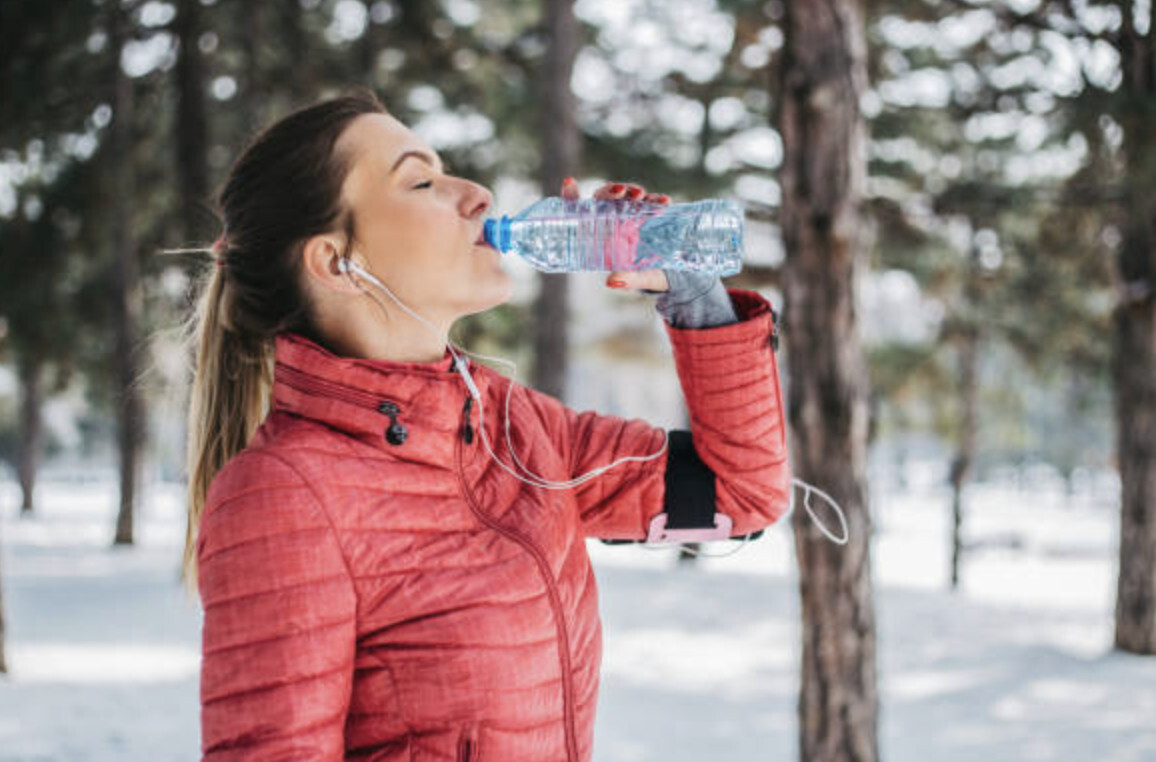
Room-temperature water in a reusable bottle
Electrolytes help your body absorb water better—especially when you’re active, bundled up in layers, or feeling extra tired.
5. A Simple Daily Hydration Goal
Aim for steady sipping throughout the day, not big gulps all at once. A good rule of thumb: drink half your body weight in ounces—adjusting up if you’re active, traveling, or feeling run-down.
Your body will reward you with better energy, clearer thinking, smoother digestion, and more comfortable muscles and joints.
Final Thoughts
Hydration isn’t just a summer habit—it’s a year-round essential, especially during Minnesota’s dry, chilly winters. Small, consistent hydration choices can make a big difference in how your body feels, moves, and performs.
Stay warm, stay hydrated, and take good care of yourself this season!

Brittany Domier
Contact Me