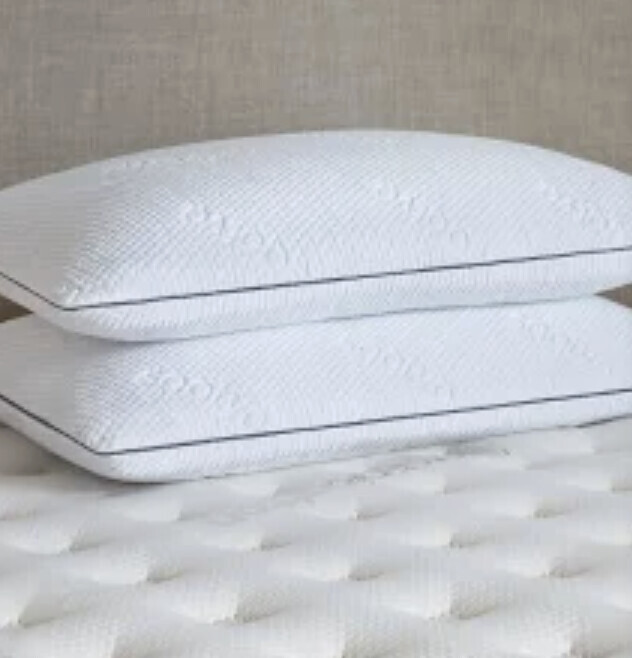
When it comes to sleep, most people focus on how long they sleep—but what you sleep on matters just as much. Your pillow and mattress play a huge role in how your body feels when you wake up. Neck stiffness, headaches, shoulder tension, or low back discomfort are often signs that your sleep setup isn’t giving you the comfort and support your body needs.
So how do you know if your pillow and mattress are right for you?
Comfort vs. Support: You Need Both
Comfort is how something feels when you lie down. Support is how well it holds your body in proper alignment throughout the night. A pillow or mattress can feel comfortable at first, but without proper support, it may allow your neck or spine to collapse into awkward positions for hours at a time.
The goal is neutral alignment—your head, neck, and spine should stay in a relaxed, natural position while you sleep.
Pillow Basics: Why Movement Matters
Your pillow should support your neck in all sleep positions—not just one. Many traditional pillows work well only if you stay in a single position or manually flip and rotate them throughout the night. Since most people change positions while sleeping, this can lead to inconsistent support.
At Domier Chiropractic, we’ve seen good results with pillows that adjust with movement. One option we offer in the office is the ChiroFlow pillow, which uses water to automatically redistribute support as you move—helping maintain comfort and alignment without needing to flip or rotate the pillow. For some patients, this adaptability has made a noticeable difference in morning stiffness and neck comfort.
Mattress Matters More Than You Think
Your mattress does more than provide comfort—it supports your body for 6–8 hours every night. A good mattress should maintain your spine’s natural curves while allowing your shoulders and hips to settle comfortably. When a mattress fails to do this, your muscles may work overtime to stabilize your body while you sleep, leading to stiffness or soreness in the morning.
A mattress that is too soft may allow your hips or midsection to sink too deeply, pulling your spine out of alignment. A mattress that is too firm can create pressure points at the shoulders, hips, or lower back, causing you to toss and turn throughout the night. The right balance depends on your body type, sleep position, and personal comfort preferences.
Age also matters. Over time, mattresses lose their ability to provide consistent support—even if they still feel comfortable. If your mattress is over 7–10 years old, shows visible sagging, or you sleep better in hotels or guest beds, it may no longer be supporting your body properly.
Sleep position plays a role as well. Side sleepers typically need more pressure relief at the shoulders and hips, while back sleepers benefit from even support that maintains the natural curve of the lower back. Stomach sleeping often places extra strain on the spine and may require firmer support and careful pillow selection—and yes, Dr. Domier will probably talk to you about this while you’re in the clinic.
The goal isn’t the “perfect” mattress—it’s one that supports your body comfortably so you wake up feeling rested, not stiff.
Listen to Your Body
At Domier Chiropractic, we emphasize comfort and support because your body should feel relaxed—not forced—during sleep. If you’re consistently waking up stiff or sore, your pillow or mattress may be working against you.
The right setup supports better sleep, easier mornings, and a body that’s more prepared to move well throughout the day.

Brittany Domier
Contact Me