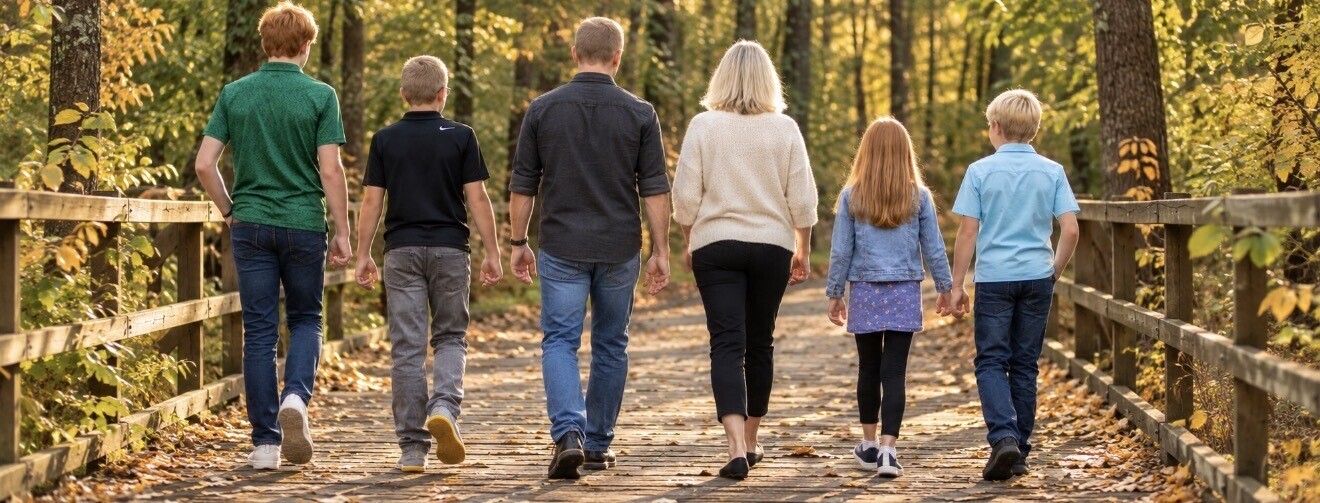
Thanksgiving is almost here! It's a time for family, gratitude, traditions, and, of course, delicious food.
After enjoying a big holiday meal, it's tempting to head straight for the couch. But what if one of the simplest things you could do for your health was to take a short walk?
You've probably heard people talking about walking after meals on social media. Some call it a digestive walk, while others claim it's a secret to better blood sugar control.
But does science actually support this popular wellness habit?
The answer is yes! And you don't need to walk very far to experience some benefits.
What Happens to Your Body After Eating?
When you eat carbohydrates, your digestive system breaks them down into glucose, which enters your bloodstream.
Your body releases insulin to help move glucose into your cells, where it can be used for energy.
It's normal for blood sugar levels to rise after eating. However, large or prolonged increases can be particularly important for people with diabetes or insulin resistance.
That's where a little movement can help!
Why Walking After Meals Makes a Difference
When you walk, your muscles use glucose for energy. Muscle contractions also help move glucose from your bloodstream into muscle cells.
Research suggests that light activity after eating can help reduce post-meal blood sugar increases compared with remaining seated.
A systematic review and meta-analysis published in Sports Medicine in 2022 found that short periods of light walking interrupted prolonged sitting and improved post-meal glucose responses.
The best part? You don't need an intense workout to benefit.
How Long Should You Walk?
Start with something simple.
Try taking a comfortable 5–15-minute walk after a meal.
If you have more time and feel good, you can certainly walk longer.
You don't need to walk fast, break a sweat, or count every step. The goal is simply to get your body moving.
And remember, walking after meals isn't about burning off the food you just ate. It's about incorporating a healthy habit into your everyday routine.
More Than Just Blood Sugar Benefits
Walking offers plenty of other reasons to get outside.
-
Supports heart health: Regular walking is a great form of cardiovascular activity.
-
Breaks up sitting time: A short walk helps interrupt long periods of inactivity.
-
Encourages family time: Walking together creates opportunities to talk and connect.
-
Supports mental well-being: Fresh air and movement can provide a welcome break from a busy day.
-
Builds consistency: Short walks are easier to incorporate into daily life than complicated exercise routines.
Make It a Thanksgiving Tradition!
Thanksgiving is the perfect opportunity to try this simple habit.
After dinner, invite the family to walk around the neighborhood, explore a nearby trail, or take the dog outside.
You could even start your Thanksgiving morning with some movement!
The local Thanksgiving Day Run at Cleary Lake Regional Park is scheduled for Thursday, November 26, from 8:00–10:00 a.m.
Whether you participate in the run, enjoy a neighborhood stroll, or simply spend a few minutes walking outside, movement is a wonderful way to celebrate the holiday.
Small Steps Add Up
Healthy living doesn't have to involve expensive equipment, complicated routines, or hours at the gym.
Sometimes, it's as simple as putting on your shoes and heading outside.
This Thanksgiving, enjoy your favorite foods, spend time with the people you love, and consider adding a little movement to your family traditions.
A short walk might become one of your favorite habits long after Thanksgiving is over!
Happy Thanksgiving!
— Dr. Brittany Domier
Domier Chiropractic
Research
Buffey AJ et al. (2022). The Acute Effects of Interrupting Prolonged Sitting With Standing and Light-Intensity Walking on Postprandial Glucose, Insulin, and Triglycerides: A Systematic Review and Meta-analysis. Sports Medicine.

Brittany Domier
Contact Me